
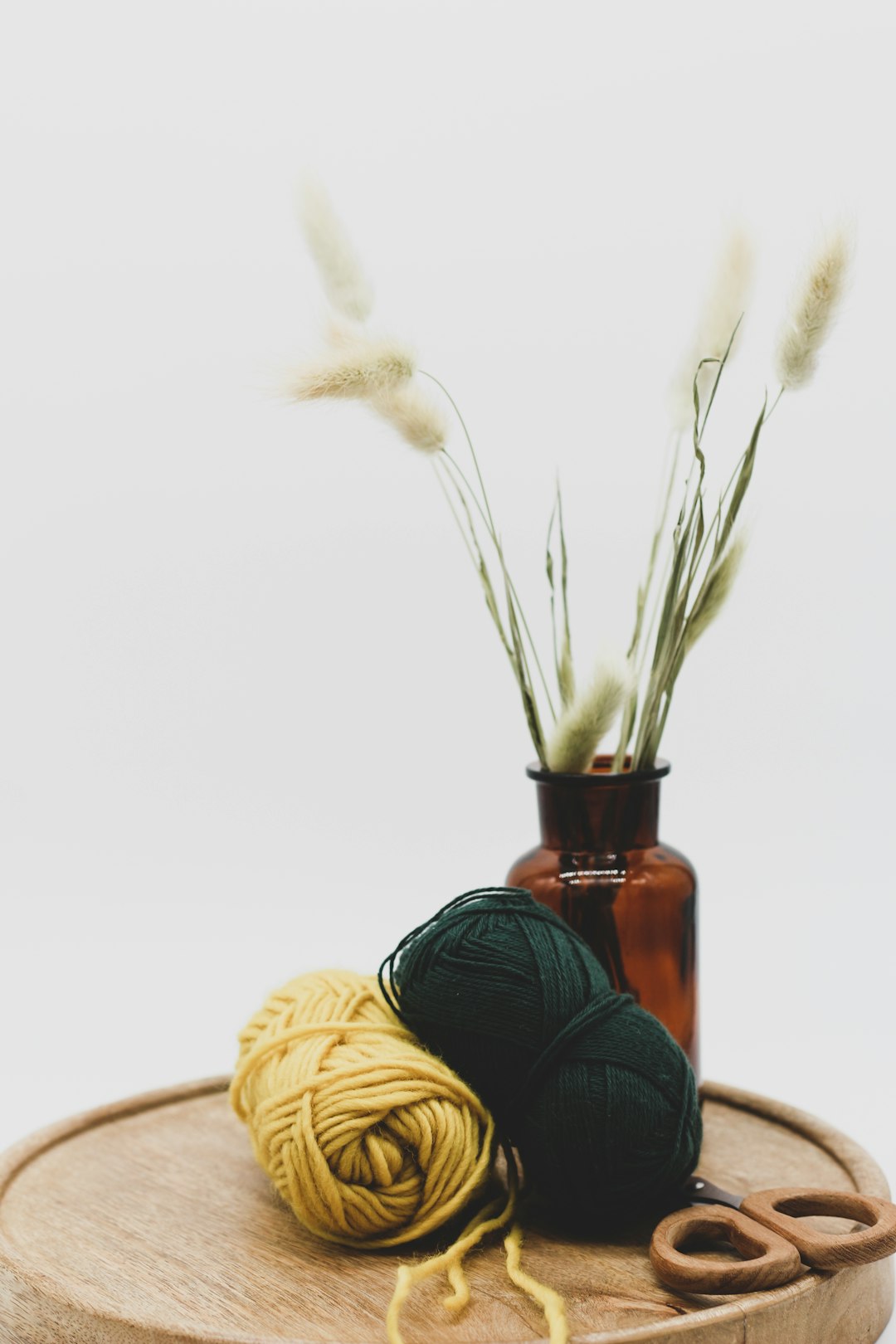
Choosing yarn is part of designing a crochet project. Two yarns with the same weight can produce very different results because fibre affects softness, stretch, stitch definition, drape, warmth, durability, and washing. This complete beginner guide explains the main crochet yarn materials, when to use each one, and what to check before substituting yarn in a free pattern.
What Is Crochet and Who Invented It?
Crochet creates fabric by pulling loops of thread or yarn through other loops with a hook. Unlike knitting, which normally keeps many live stitches on needles, crochet usually works with one active loop at a time. The craft does not have one proven inventor. Its early development is not documented well enough to credit a single person or country.
Recognizable written crochet instructions appeared in Europe during the early nineteenth century. The Dutch publication Penélopé included early instructions for hooked purses in 1823. Crochet expanded rapidly through printed pattern books and magazines, and Irish crochet became especially important in the nineteenth century as makers produced lace-like work for income. Modern crochet grew through many makers, teachers, publishers, and regional traditions rather than one named inventor.
Cotton Yarn for Crochet

Illustrative yarn photo by Tara Evans on Unsplash.
Cotton is a plant-based fibre with a smooth feel, clear stitch definition, and relatively little elasticity. It can create a firm, breathable fabric and absorbs moisture, which makes it especially useful where structure or washability matters. Because cotton does not spring back as readily as wool, tight crocheting can feel harder on the hands and heavy garments may stretch under their own weight.
Best crochet projects: dishcloths, coasters, market bags, summer tops, baby items, baskets, bathroom accessories, and amigurumi.
What to check: Compare the label’s washing instructions and yardage. Mercerized cotton is smoother and shinier, while softer unmercerized cotton may feel more natural. Make a swatch for garments because drape and weight vary.
Wool and Merino Wool Yarn

Illustrative yarn photo by Raelle Cameron on Unsplash.
Wool is an animal fibre valued for warmth, elasticity, and resilience. Its natural bounce can make stitches feel forgiving and helps ribbing, hats, mittens, and fitted accessories recover their shape. Merino is a type of wool known for finer fibres, although softness and care requirements still differ between yarns. Some people are sensitive to wool, so consider the wearer before choosing it.
Best crochet projects: winter hats, scarves, cowls, mittens, cardigans, warm blankets, felted projects, and textured stitches.
What to check: Check whether the yarn is superwash or hand-wash only. Heat, moisture, and agitation can felt untreated wool. Wash the swatch the same way you plan to wash the finished item.
Acrylic Yarn for Crochet

Illustrative yarn photo by Steve A Johnson on Unsplash.
Acrylic is a manufactured fibre that is widely available in many colours and prices. It is often easy to care for and can be a practical learning yarn because a smooth, medium-coloured strand makes stitches visible. Quality varies: some acrylic yarns are soft and flexible, while others may feel stiff, fuzzy, or prone to pilling. It is less heat-resistant than many natural fibres.
Best crochet projects: practice swatches, blankets, toys, decorations, scarves, hats, affordable gifts, and colourwork projects.
What to check: Follow the ball-band care instructions and keep acrylic away from direct high heat. Feel the yarn before buying when possible, especially for garments or baby projects that will touch skin.
Bamboo, Viscose, and Rayon Yarn

Illustrative yarn photo by Karen Penroz on Unsplash.
Yarns sold as bamboo are commonly regenerated cellulose fibres made from bamboo-derived material. They often feel smooth, cool, and fluid, with a gentle sheen and more drape than structure. The slippery surface can split if the hook catches individual plies, and a heavy finished piece may grow. Blends can add stability while keeping the soft hand and sheen.
Best crochet projects: summer garments, lightweight scarves, shawls, draped tops, accessories, and projects where fluid fabric is desirable.
What to check: Swatch and wash before making a fitted garment. Use a hook with a smooth tip, watch for splitting, and support the project while storing it so gravity does not stretch it unnecessarily.
Alpaca and Other Animal Fibres

Illustrative yarn photo by Kelly Sikkema on Unsplash.
Alpaca yarn is warm, soft, and often drapey, but it generally has less elastic memory than sheep’s wool. Pure alpaca can grow in a garment, so blends with wool or other fibres may hold shape better. Mohair can add a light halo, while cashmere adds softness and warmth at a higher price. These fibres can transform a simple stitch pattern, but fuzzy yarn makes individual stitches and mistakes harder to see.
Best crochet projects: luxury scarves, cowls, shawls, lightweight warm accessories, and blended winter garments.
What to check: Check skin sensitivity, fibre care, and the amount of halo. Beginners may find smooth blends easier than very fuzzy yarn. Always swatch fitted pieces and measure again after washing.
Linen, Hemp, Silk, and Fibre Blends

Illustrative yarn photo by Anastasia Zhenina on Unsplash.
Linen and hemp are plant fibres known for strength and a fabric that can soften with use and washing. They have little natural elasticity and may feel crisp while crocheting. Silk adds sheen, strength, and drape but can be slippery and expensive. Blended yarns combine properties: cotton-acrylic may balance structure and easy care, wool-acrylic can add warmth and affordability, and wool-silk can combine elasticity with shine.
Best crochet projects: summer garments, lace, strong bags, home accessories, elegant shawls, and projects that benefit from drape or durability.
What to check: Read fibre percentages rather than relying only on the product name. A small amount of a fibre can noticeably change the fabric. Test stitch definition, stretch, shrinkage, colourfastness, and care with a washed swatch.
Yarn Weight Is Not the Same as Fibre
Fibre tells you what the yarn is made from; yarn weight describes strand thickness. The Craft Yarn Council system runs from 0 Lace through 1 Super Fine, 2 Fine, 3 Light, 4 Medium, 5 Bulky, 6 Super Bulky, and 7 Jumbo. Names such as DK, worsted, and aran can overlap between brands and countries, so compare the numbered weight symbol, gauge range, and metres per 100 grams when substituting.
A larger hook generally creates a looser, drapier fabric; a smaller hook creates a denser fabric. The label recommendation is a starting point, not a rule. Amigurumi often needs a smaller hook to reduce gaps, while lace and flowing garments may use a larger hook. The pattern gauge and desired fabric should guide the final choice.
How to Choose Yarn for a Crochet Project
Begin with the finished object. A bag needs abrasion resistance and enough structure to carry weight. A winter hat needs warmth and recovery. A dishcloth needs absorbency and suitable washing instructions. A baby blanket needs a fibre and construction that match the recipient’s needs and the caregiver’s preferred washing routine. A summer top needs comfort, drape, and a realistic finished weight.
Then compare yarn weight, total yardage, fibre content, gauge, colour, dye lot, care, and budget. Buy enough yarn before starting when shade consistency matters. Crochet often uses more yarn than a similar-sized knitted fabric, but the exact amount depends on stitch height, texture, hook size, tension, and dimensions. Keep the ball bands until the project is finished so you retain the colour and dye-lot information.
Essential Crochet Materials and Tools
A practical beginner kit includes yarn, a hook that suits the yarn and pattern, locking stitch markers, small scissors, a flexible tape measure, and a blunt yarn needle. Add rust-resistant pins and a suitable blocking surface when a pattern needs shaping. A row counter is optional, but recording rows, stitch counts, and modifications prevents confusion when you return to a project.
Crochet hooks are commonly made from aluminium, steel, plastic, wood, or bamboo. The material changes grip and feel rather than the stitch size marked on the hook. A smooth metal hook may help with sticky yarn, while wood or bamboo may offer more control with slippery yarn. Ergonomic handles can improve comfort, but no single shape works for every crocheter.
Continue Learning with EmmaCrochet
Use the Crochet Stitches & Skills library for technique guides, or choose a practical project from the Free Crochet Patterns collection. Begin with a smooth, light-coloured medium-weight yarn if you want stitches that are easy to see, then explore different fibres after your tension becomes consistent.
Detailed Material Guides
- Cotton yarn for crochet: benefits, drawbacks and best projects
- Wool and merino yarn: warmth, elasticity, felting and care
- Acrylic yarn for crochet: practical uses, care and heat safety
- Bamboo and viscose yarn: drape, gauge and garment growth
- Yarn weights 0 to 7: thickness, gauge and substitutions
- Crochet hook sizes and materials: metric sizes, hook types and swatching