
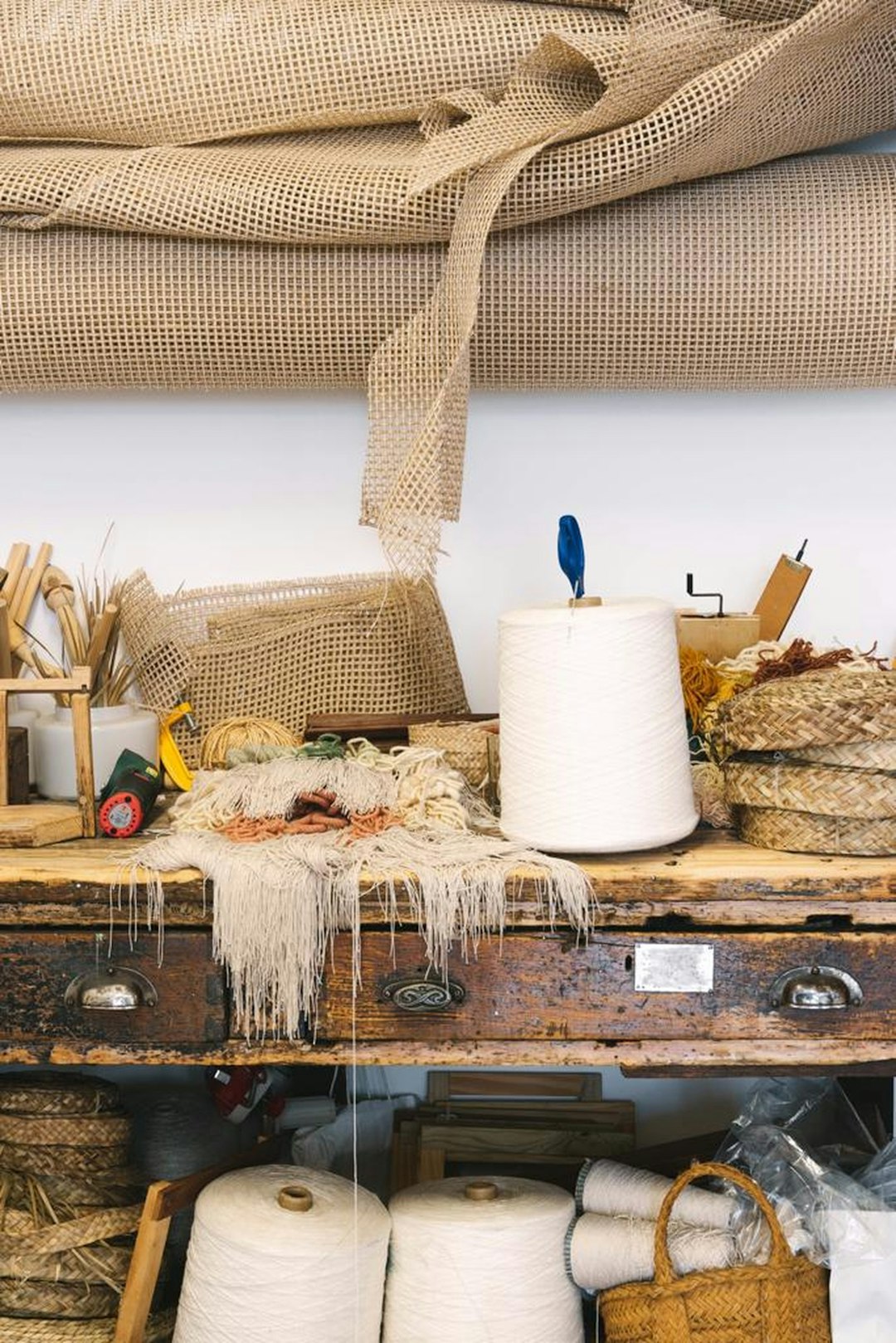
Cotton yarn is one of the most useful fibers in a crocheter’s stash. It creates clear stitches, absorbs moisture, tolerates frequent use, and feels comfortable in warm weather. Those strengths make it excellent for dishcloths, market bags, summer tops, coasters, baby items and home accessories—but cotton is not automatically right for every pattern.
This practical guide explains what cotton yarn feels like, how to choose the right type, which hook to try first, and where beginners often run into trouble. Always follow the care instructions and recommended gauge on your yarn label because construction and blends vary by brand.
Quick answer: Choose smooth, light-colored worsted-weight cotton or a cotton blend for your first cotton project. It is easier to see than very fine yarn and more forgiving than stiff kitchen cotton.
What is cotton yarn?
Cotton yarn is spun from plant fibers that grow around cotton seeds. Crochet yarn may be made from conventional cotton, organic cotton, mercerized cotton, recycled cotton, or a blend. The way the fiber is spun and finished changes how soft, shiny, stretchy or sturdy the yarn feels.
Common cotton yarn types
- Kitchen cotton: sturdy, absorbent and practical for dishcloths, towels and hot-pad covers.
- Mercerized cotton: treated for extra strength, color clarity and a smoother, slightly lustrous surface.
- Combed cotton: shorter fibers are removed for a smoother, softer yarn.
- Cotton blends: cotton mixed with acrylic, bamboo/viscose or another fiber to add stretch, drape or easier care.
- Recycled cotton: made partly from recovered textile fiber; texture and strength depend on the blend.
Benefits of cotton yarn for crochet
- Excellent stitch definition. Dense stitches, lace and texture remain easy to see.
- Absorbent and breathable. Useful for warm-weather wearables and household pieces.
- Low fuzz. Smooth cotton helps beginners identify loops and correct mistakes.
- Durable for repeated use. A good match for bags, placemats and washable accessories.
- Wide color range. Cotton is sold in soft neutrals, bright solids and multicolor options.
Drawbacks to understand
Cotton has less natural elasticity than wool. Long crochet sessions with firm cotton can tire the hands, and dense projects may feel heavier than expected. Cotton garments can also lengthen when worn, especially if the fabric is loose or wet. Make a generous swatch, wash it the way you will wash the finished item, let it dry, and measure again before committing to a fitted garment.
- Splitty strands can catch the hook; a rounded hook tip and relaxed tension help.
- Very firm cotton may feel stiff in amigurumi or tight single crochet.
- Dark cotton makes individual loops harder to see.
- Heavy cotton is usually not the best substitute for an elastic wool yarn in fitted ribbing.
Best crochet projects for cotton yarn
- Dishcloths, washcloths and reusable face rounds
- Market bags, totes and bottle holders
- Coasters, placemats and table runners
- Summer tops, cover-ups and lightweight cardigans
- Bucket hats and sun hats with enough structure
- Baby bibs, blankets and toys when the label permits the required care
Hook size, tension and gauge
Start with the hook range printed on the yarn label, then adjust for the fabric you want. Move up a hook size if the swatch feels rigid or curls because your tension is too tight. Move down if a bag or basket is too loose. For garments, matching the pattern gauge matters more than copying the designer’s hook size.
If hook labels are confusing, read Crochet Hook Sizes Explained. Remember that the Craft Yarn Council yarn-weight system describes yarn thickness, not fiber type.
How to wash and block cotton crochet
Check the ball band first. Many cotton yarns can be machine washed, but color, spin method and blends can change the instructions. For blocking, wet the piece, remove excess water without twisting, shape it to the correct measurements, and dry it flat. Support wet garments so their weight does not stretch the fabric.
Common mistakes
- Skipping the washed gauge swatch for a fitted top
- Crocheting too tightly and creating a board-like fabric
- Assuming every cotton yarn is heat-safe
- Using a heavy cotton for a project designed to be elastic
- Choosing a dark or loosely plied yarn for a first project
Cotton yarn FAQ
Is cotton yarn good for beginners?
Yes. A smooth, medium-weight cotton or cotton blend gives clear stitch definition. Avoid very fine, dark or loosely plied cotton until you are comfortable finding each loop.
Is cotton yarn good for blankets?
Yes, especially for breathable warm-weather blankets. Check the finished weight before making a large size because cotton can become heavy.
Can I replace acrylic with cotton?
Sometimes, but make a washed swatch. Cotton usually has less bounce, more weight and different drape, so the finished size and feel can change.
Keep learning
Compare more fibers in our complete crochet yarn types and materials guide. Then use our beginner yarn-choosing guide, check crochet hook sizes, or browse the free crochet pattern library.