
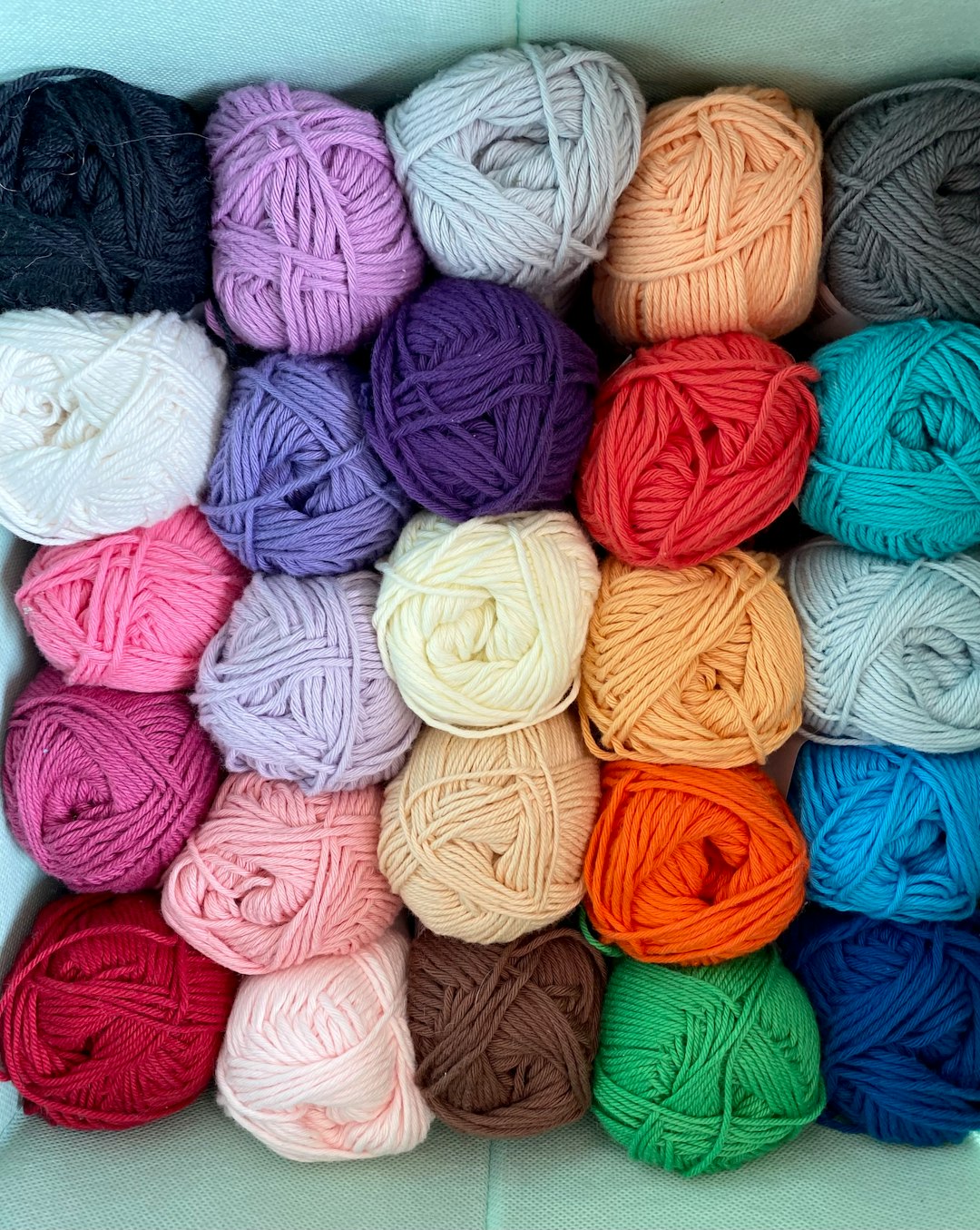
Acrylic yarn is widely available, affordable and offered in almost every color. That makes it practical for learning, large blankets, charity projects, décor and gifts that need straightforward care. It is a manufactured fiber, however, and it behaves differently from cotton or wool.
The best choice depends on the fabric you need, not on whether a fiber is universally “good” or “bad.” This guide explains where acrylic performs well, where another material may work better, and how to get a softer, more polished crochet result.
Quick answer: Choose a smooth, light-colored, medium-weight acrylic with an even twist for practice and washable blankets. Avoid direct heat and check the label before laundering.
Advantages of acrylic yarn
- Budget friendly: useful for large projects and beginners practicing many rows.
- Easy to find: craft stores and online shops carry broad color ranges.
- Consistent: many acrylic yarns have even thickness and predictable dye lots.
- Often easy-care: numerous options are machine washable, though the label remains the authority.
- Animal-fiber free: suitable when a recipient avoids wool or other animal fibers.
Limitations of acrylic
Acrylic generally absorbs less moisture than cotton and has different temperature and odor behavior from natural fibers. Some varieties feel squeaky, shiny or prone to pilling, while higher-quality acrylics can be soft and matte. The fiber can melt or deform under high heat, so it should not be used where the finished object will touch hot cookware, flames or a hot iron.
- It may hold static and trap odors more than some natural fibers.
- Steam can permanently change the fabric; aggressive heat may damage it.
- Very fuzzy acrylic can hide stitches and split during frogging.
- Low-twist acrylic may pill in areas that rub frequently.
Best projects for acrylic yarn
- Washable blankets and afghans
- Practice swatches and first scarves
- Amigurumi and decorative toys when firmly stuffed and safely finished
- Home décor such as cushions, garlands and baskets
- Charity items when the receiving organization accepts acrylic
- Colorwork projects that need many affordable shades
Projects that need extra caution
Do not assume acrylic is safe for potholders, trivets, pan handles or anything exposed to high heat. Cotton is commonly chosen for many kitchen textiles, but even then the exact yarn and project instructions matter. For highly breathable summer wear, plant fibers or blends may feel more comfortable. For fitted ribbing, wool or an elastic blend may recover better.
How to choose better acrylic yarn
- Rub the skein lightly and check whether fibers shed or pill immediately.
- Look for an even twist and consistent thickness.
- Choose a pale or medium color when learning so loops are visible.
- Read reviews for softness after washing, not only softness in the skein.
- Buy enough of one dye lot for a large visible project.
Hook size and tension
Acrylic can become dense when crocheted too tightly. Begin with the label recommendation, then make a swatch. If the fabric is stiff, increase the hook size or relax your grip. For amigurumi, use a smaller hook than you would for a drapey scarf so stuffing does not show, but do not force the hook through painfully tight loops.
Washing, blocking and heat safety
Follow the manufacturer’s care symbols. Many acrylic yarns tolerate gentle machine washing and low-temperature drying, but not all do. Wet blocking can help settle stitches. Steam blocking may permanently relax or flatten acrylic, so test a separate swatch first, keep the heat source away from the fibers, and never touch acrylic with a hot iron.
Common acrylic mistakes
- Using high heat because the yarn is labeled machine washable
- Choosing a hook that creates a stiff blanket
- Using fuzzy black yarn for a first project
- Expecting acrylic ribbing to recover exactly like wool
- Mixing yarns with incompatible care instructions in one washable item
Acrylic yarn FAQ
Is acrylic yarn good for beginners?
Yes. Smooth medium-weight acrylic is affordable and easy to see. Select an even yarn that does not split easily.
Is acrylic good for baby blankets?
It can be, when the yarn is soft, washable and suitable for the intended use. Keep the fabric free from loose embellishments and follow current baby-safety guidance.
Can acrylic be blocked?
Yes. Wet blocking is gentle. Steam can change acrylic permanently, so test first and avoid direct contact with an iron.
Keep learning
Compare more fibers in our complete crochet yarn types and materials guide. Then use our beginner yarn-choosing guide, check crochet hook sizes, or browse the free crochet pattern library.