
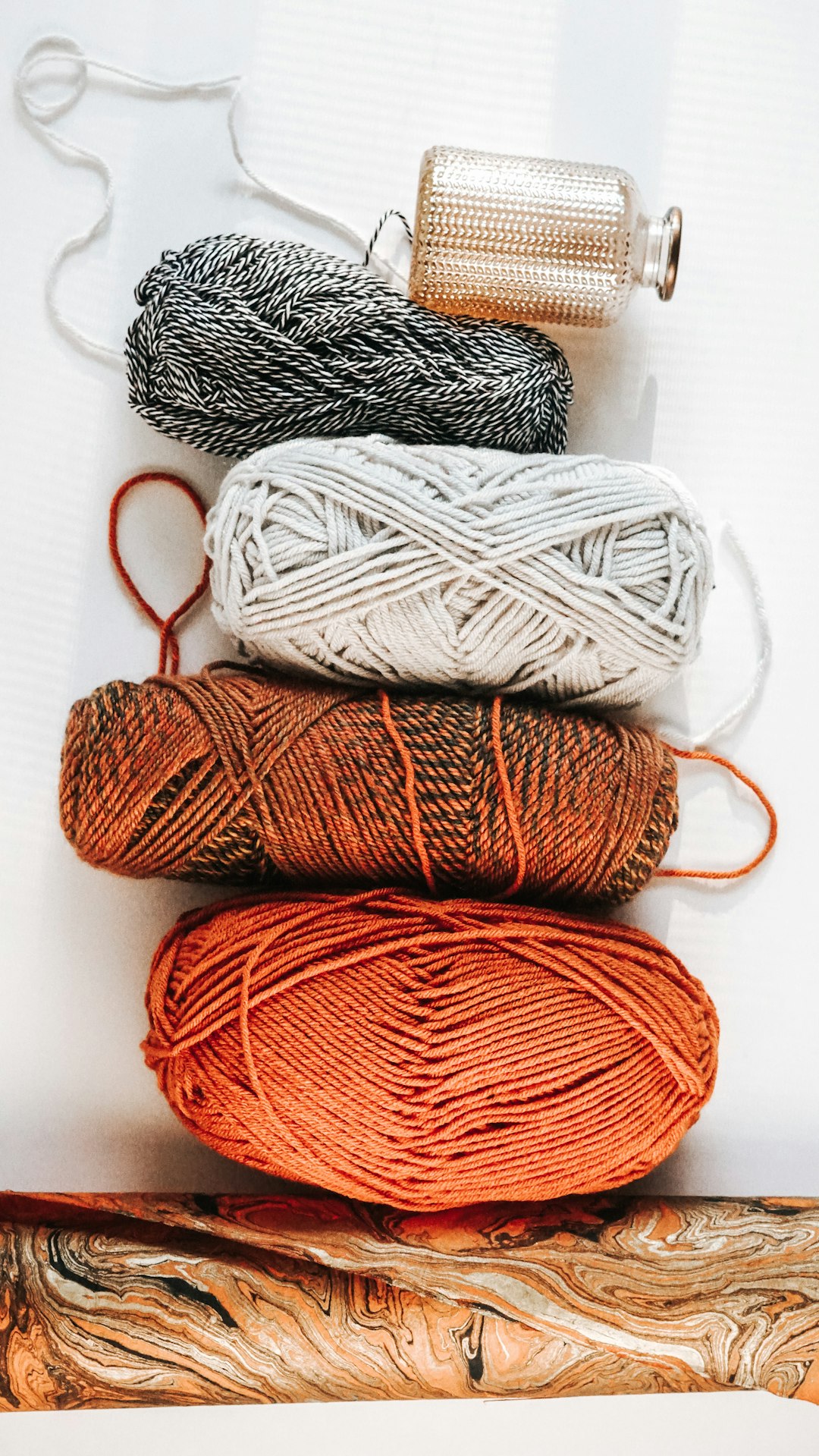
Yarn weight means the thickness of the yarn strand, not the physical weight of the skein and not the fiber it is made from. Cotton, wool and acrylic can all be produced in multiple yarn weights. Understanding this one distinction makes patterns, hook choices and yarn substitutions much easier.
In the widely used Craft Yarn Council system, yarn is grouped from 0 Lace through 7 Jumbo. Names such as DK, worsted and bulky are helpful, but names can overlap between brands and countries, so always compare the numeric category, gauge information and the actual yarn.
Quick answer: Beginners often find category 4 Medium yarn easiest to see and handle. The correct weight for a project is the one that lets you match the pattern gauge and create the intended fabric.
The eight yarn-weight categories
0 Lace
The finest category. Used for delicate lace, fine shawls and lightweight accessories. It can require patience and careful tension.
1 Super Fine
Includes many fingering and sock yarns. Useful for socks, light garments, baby items and detailed colorwork.
2 Fine
Often called sport weight. It creates a light fabric with more substance than fingering yarn.
3 Light
Commonly associated with DK and some light worsted yarns. A versatile choice for garments, baby blankets and accessories.
4 Medium
Includes many worsted and aran yarns. Popular for beginner projects, blankets, hats, scarves, amigurumi and home décor.
5 Bulky
Creates warm fabric quickly. Often used for chunky hats, cowls, blankets and baskets.
6 Super Bulky
Very thick yarn for fast blankets, oversized accessories and statement textures. Large stitches can make small gauge differences significant.
7 Jumbo
The thickest standard category. Used for arm-crochet-style pieces, oversized décor and very large stitches.
Why the category is only a starting point
Two yarns in the same category can still differ in diameter, density, twist and loft. A fluffy category 4 yarn may fill space differently from a smooth dense category 4 cotton. That is why a label match does not replace a gauge swatch.
How yarn weight affects crochet fabric
- Stitch size: thicker yarn usually creates larger stitches.
- Drape: hook size, stitch pattern and fiber combine with weight to control flexibility.
- Project speed: bulky yarn covers area faster, but large projects can become heavy.
- Yardage: thicker yarn generally provides fewer yards per ounce than fine yarn.
- Detail: fine yarn supports small motifs; thick yarn emphasizes bold texture.
Choosing a crochet hook
Use the yarn label and pattern as starting points, then swatch. A larger hook usually creates a looser, more open fabric; a smaller hook creates a denser fabric. The same yarn may use different hooks for amigurumi, a drapey sweater and an open mesh bag.
Our crochet hook size guide explains metric millimeters and common US labels. The Craft Yarn Council chart is a useful reference for standard category names and gauge ranges.
How to substitute a different yarn
- Start with the same weight category, but do not stop there.
- Compare fiber content, spin, texture and yards per unit weight.
- Crochet a generous swatch in the pattern stitch.
- Wash and dry the swatch as the finished project will be treated.
- Measure stitch and row gauge, then judge drape, weight and opacity.
- Calculate total yardage and buy enough from one dye lot.
Holding yarns together
Holding two strands together produces a thicker combined yarn, but there is no perfectly universal formula because strand construction varies. Swatch the exact combination. Also confirm that you have enough total yardage: every stitch consumes a strand from each ball.
Common yarn-weight mistakes
- Thinking a 100-gram skein must be thicker than a 50-gram skein
- Using only the name “worsted” without checking gauge
- Matching hook size but ignoring the pattern gauge
- Substituting a dense cotton for a lofty wool without checking fabric weight
- Buying by skein count instead of total yardage
Yarn weight FAQ
What yarn weight is easiest for beginners?
Category 4 Medium is a common choice because the stitches are easy to see and supplies are widely available. A smooth, light color helps more than fiber brand alone.
Does a bigger crochet hook require thicker yarn?
Often, but not always. Designers may pair a large hook with finer yarn for open fabric or a smaller hook with thicker yarn for density. Gauge and desired fabric decide.
Are DK and worsted the same?
Usually not: DK is commonly category 3 Light, while worsted is commonly category 4 Medium. Brand terminology varies, so check the category symbol and gauge.
Keep learning
Compare more fibers in our complete crochet yarn types and materials guide. Then use our beginner yarn-choosing guide, check crochet hook sizes, or browse the free crochet pattern library.