
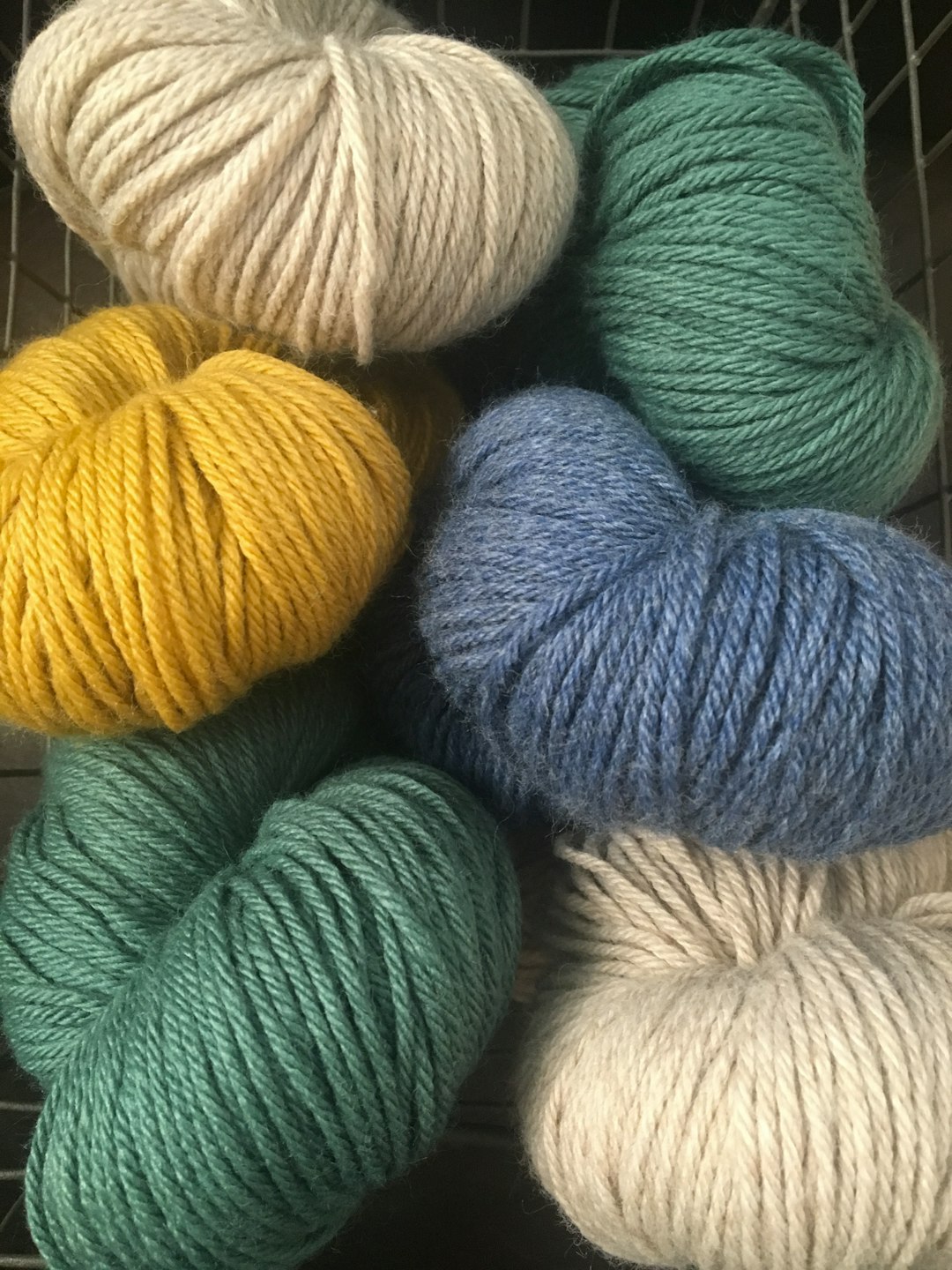
Yarns sold as bamboo often contain regenerated cellulose fiber—commonly viscose or rayon made from bamboo-derived pulp—rather than mechanically spun raw bamboo fiber. The label’s exact wording and percentages matter. These yarns are loved for their smooth feel, shine and fluid drape, especially in warm-weather crochet.
That softness can also make the yarn slippery, splitty and less structured. This guide shows how to match bamboo/viscose yarn to the right project and how to prevent garments from growing longer than planned.
Quick answer: Bamboo-derived viscose works best in flowing shawls, tops and accessories. Make and wash a large swatch because the fabric can stretch vertically and may need careful drying.
How bamboo-derived yarn behaves
- Drape: fabric tends to hang fluidly rather than stand stiffly.
- Sheen: the smooth surface reflects light and highlights lace.
- Soft hand: many people enjoy it next to the skin.
- Weight: garments can feel heavier and lengthen under their own weight.
- Low memory: ribbing and fitted edges may not spring back like wool.
Read the fiber label carefully
“Bamboo yarn” is not one single construction. A skein may be 100% viscose from bamboo or a blend with cotton, wool, acrylic or nylon. A cotton blend can add body; wool can add bounce; synthetic fibers may add durability. Compare percentages, care symbols, yardage and recommended gauge before substituting.
Best crochet projects for bamboo or viscose yarn
- Lightweight summer tops and tunics
- Drapey shawls, wraps and scarves
- Lace panels and openwork cardigans
- Headbands and soft accessories
- Market bags when blended for added structure
- Baby garments only when the specific yarn and design meet the needed care and safety requirements
Projects that may need another fiber
A pure bamboo-viscose yarn is usually not the first choice for a rigid basket, a firm amigurumi shape, a hard-wearing potholder, or a fitted cuff that must snap back. A blend can sometimes solve the problem, but test it first.
Hooks, splitting and tension
A smooth yarn can slide quickly across metal, while a bamboo or wood hook may add helpful grip. If the hook repeatedly separates the plies, try a rounder hook head, slow down, and keep the working loop slightly open. Swatching with two nearby hook sizes is often more useful than forcing one recommendation to work.
Gauge and garment growth
Make a swatch at least 6 inches square, wash it according to the label, dry it flat, and let it rest before measuring. For a garment, hang the swatch for a short controlled test to observe vertical growth. Do not add weight beyond what the final garment is likely to experience. If the swatch stretches too much, try a smaller hook, a firmer stitch, seams, or a more stable blend.
Care tips
- Use the ball-band instructions as the primary guide.
- Support wet fabric fully; do not lift it by one edge.
- Press water out in a towel instead of twisting.
- Dry flat to the intended measurements unless the label says otherwise.
- Store folded rather than on a hanger to reduce stretching.
Common mistakes
- Skipping a washed and rested swatch
- Choosing pure viscose for a structure-heavy design
- Using a sharp hook that splits a multi-ply yarn
- Hanging a wet garment to dry
- Assuming every yarn labeled bamboo has the same composition
Bamboo yarn FAQ
Is bamboo yarn natural?
Bamboo is a plant source, but many bamboo-labeled yarns are regenerated cellulose such as viscose or rayon. Check the label for the precise fiber name and manufacturing claims.
Is it good for beginners?
A cotton-bamboo blend can be beginner friendly. Very slippery or loosely plied versions may be easier after you have consistent tension.
Can I replace cotton with bamboo viscose?
Sometimes, but expect more drape and possible growth. Wash and measure a swatch before making a fitted item.
Keep learning
Compare more fibers in our complete crochet yarn types and materials guide. Then use our beginner yarn-choosing guide, check crochet hook sizes, or browse the free crochet pattern library.